Introduction
Dysphagia, or problem swallowing, is a typical problem that affects people throughout different age, especially the senior and those with neurological problems. The implications of dysphagia can be severe, bring about lack of nutrition, dehydration, and ambition pneumonia, which considerably increases morbidity and mortality prices. In care settings-- be it nursing homes, assisted living centers, or home health care-- proper dysphagia monitoring is paramount. This post discovers the profound impact of dysphagia training for carers, focusing on just how such training creates much safer environments in care settings.
Understanding and implementing efficient dysphagia treatment not just boosts client security however also improves general quality of life for homeowners and patients. In this detailed guide, we will look into the importance of dysphagia training for treatment staff, the kinds of dysphagia training courses readily available, and the benefits they give to both caretakers and those they serve.
What is Dysphagia?
Dysphagia describes difficulties in ingesting that can arise from different causes-- including neurological problems such as stroke or Parkinson's illness, muscular conditions, and architectural problems. The clinical indications can vary from light pain while eating to extreme choking episodes that dysphagia training modalities pose dangerous risks.
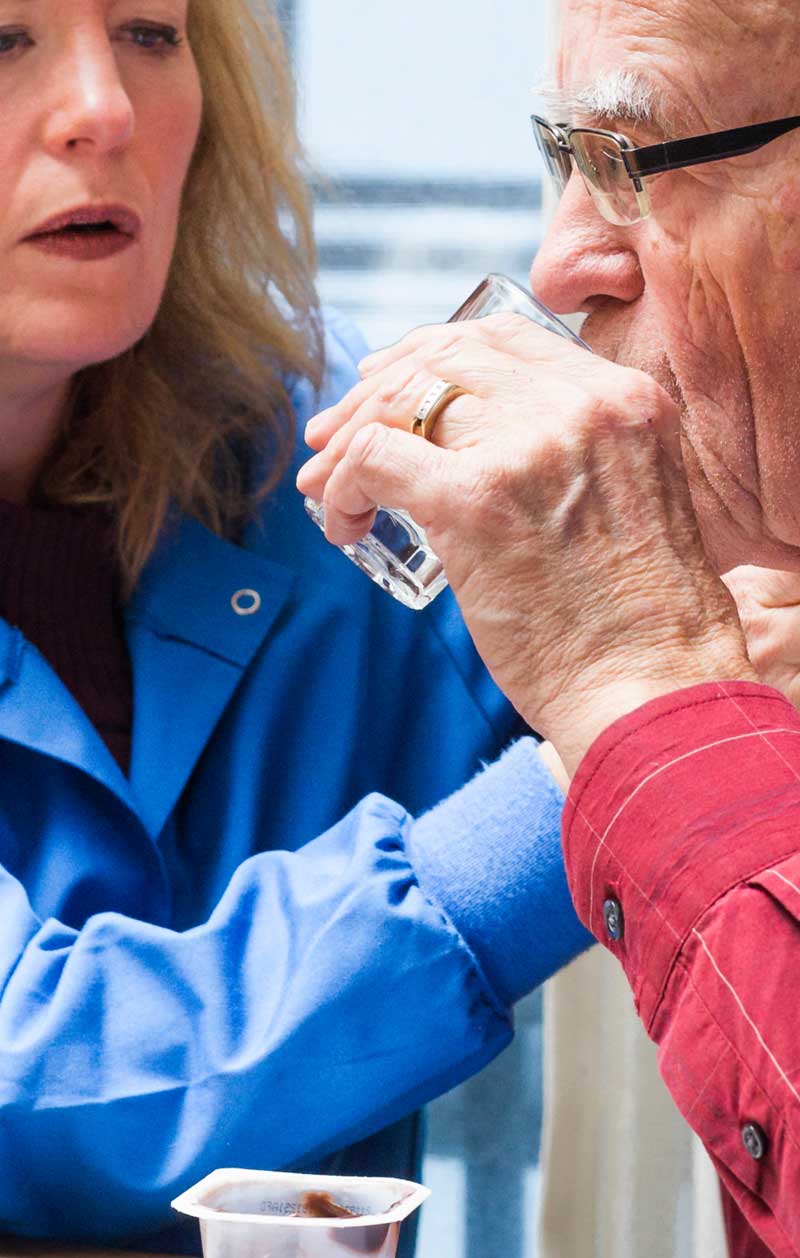
Types of Dysphagia
- Oropharyngeal Dysphagia: This type occurs when there are issues in the mouth or throat that impede swallowing. Esophageal Dysphagia: This type entails issues in the esophagus itself.
Understanding these distinctions is essential for caretakers as it informs their technique to dysphagia management.
Symptoms of Dysphagia
Common signs and symptoms include:
- Difficulty initiating a swallow Coughing or choking throughout meals Sensation of food getting embeded the throat Frequent heartburn or regurgitation
Awareness of these symptoms equips caregivers to act swiftly and properly when they arise.
Why is Dysphagia Training Important for Treatment Staff?
The function of care team is essential in handling dysphagic people successfully. Proper training outfits them with abilities needed to identify symptoms early, implement risk-free feeding strategies, and respond immediately throughout emergencies.
Enhancing Person Safety
One considerable benefit of dysphagia training for nurses and carers is the improvement of person safety. Geared up with knowledge about secure ingesting methods and dietary alterations, team member can lower the threat of desire-- which happens when food or fluid gets in the air passage-- and its linked complications.
Improving Top quality of Life
Training fosters a better understanding of specific dietary demands amongst people with dysphagia. When caregivers are educated regarding ideal food structures and uniformities, they can offer dishes that fulfill clients' dietary needs while being risk-free to consume.
Legal Compliance
In lots of areas, treatment providers need to comply with guidelines regarding dysphagia monitoring. Taking part in complete dysphagia care training ensures that centers meet these legal commitments while securing their reputation.
Components of Efficient Dysphagia Training Courses
A well-shaped dysphagia training course incorporates numerous key elements designed to gear up caregivers properly:
1. Recognizing Anatomy and Physiology
A vital part of any type of dysphagia course includes education and learning on human composition related to ingesting. Knowledge regarding just how different muscle mass collaborate during ingesting enables employee to recognize what may fail when somebody has dysphagia.
2. Recognizing Indications and Symptoms
Training offers caregivers with detailed details on indicators a sign of dysphagic episodes. This skill allows them to spot problems early prior to they rise right into severe problems.
3. Safe Feeding Techniques
Courses need to cover methods such as placing clients correctly throughout dishes (e.g., resting upright) and utilizing flexible utensils if necessary.
4. Dietary Modifications
Understanding how to alter food appearances-- such as pureeing foods or enlarging liquids-- is essential understanding for carers that prepare meals for people with differing levels of ingesting difficulty.
Types of Dysphagia Training Available
There are several styles where individuals can obtain dysphagia training:
Online Courses
With improvements in innovation, numerous institutions currently supply on-line training courses focusing on various facets of dysphagia treatment. These programs usually feature interactive modules that enable participants to find out at their very own pace.
In-Person Workshops
Hands-on workshops allow individuals to practice feeding methods under guidance from qualified teachers. Such experiential discovering chances enhance retention prices contrasted to standard classroom settings alone.
Certification Programs
For those seeking official recognition in this area, certification programs are offered that finish in assessments confirming competency levels amongst students-- enhancing trustworthiness within specialist networks.
Creating Much safer Environments: The Impact of Dysphagia Training in Treatment Settings
Creating more secure atmospheres requires an aggressive method towards guaranteeing all team member have sufficient expertise regarding monitoring techniques related to dysphagic problems.
By investing time into thorough dysphagia training courses customized specifically toward health care practitioners' requirements-- such as specialized sessions aimed at nurses-- the whole caregiving community advantages immensely; not only do homeowners experience boosted safety and security but likewise improved emotional well-being stemming from effective dish experiences without anxiousness bordering potential choking incidents!
Benefits Beyond Safety: Emotional Aspects
While physical safety and security remains a primary focus within any kind of discussion bordering reliable caretaker education and learning programs targeting people experiencing troubles relevant particularly towards ingesting issues-- it's likewise important not overlook emotional influences originating from these scenarios too!
1) Lowering Stress And Anxiety Levels
Families often bother with their enjoyed ones suffering from swallowing difficulties; recognizing qualified professionals manage such circumstances reduces stress degrees dramatically!
2) Enhancing Social Engagement
Sharing meals comes to be more comfortable when caregivers confidently take care of prospective issues connected with feeding processes! This raised self-confidence urges social interactions amongst homeowners cultivating community bonds over shared eating experiences!
FAQ Section
Q1: What is consisted of in a regular dysphagia training course? A: A regular course consists of anatomy education, signs and symptom recognition techniques, safe feeding techniques, dietary adjustments assistance, in addition to hands-on technique opportunities via simulations or role-playing scenarios.
Q2: That should undergo dysphagia training? A: All workers associated with straight individual care-- consisting of registered nurses, nursing aides, occupational therapists-- ought to undertake this specialized training due its critical significance towards preserving resident wellbeing!

Q3: How frequently need to staff restore their dysphagia training? A: It's advised companies set up refresher courses annually because guidelines pertaining to finest methods progress on a regular basis based upon ongoing study findings!
Q4: Can member of the family benefit from understanding dyspahgia administration techniques? A: Absolutely! Offering family members academic sources equip them also play encouraging duties outside institutional setups enhancing general quality-of-life experiences!

Q5: Is there a particular age group more impacted by dysplasia? A: While individuals across every age groups may experience some type(s) relevant particularly towards ingesting difficulties-- the elderly populace has a tendency face enhanced dangers mainly due underlying health and wellness worries influencing musculature involved therein!
Q6: Exactly how does one locate accredited dypshgia trainer programs? A: Research study trustworthy professional companies specializing within allied health and wellness areas like speech-language pathology normally supply suggestions relating recognized recurring education opportunities!
Conclusion
In recap, creating more secure settings with reliable dysphgia training in care setups can not be overemphasized! By prioritizing education customized particularly toward resolving obstacles faced by those experiencing difficulties while taking in food/drink-- we guard prone populaces against avoidable complications occurring therein!
Ultimately investing sources right into detailed dsyhpgia support campaigns not only improves individual security yet fosters alternative renovations throughout every aspect connected caregiving roles hence improving lives all around!
This post encapsulates a substantial exploration right into exactly how dysaphgia understanding among caretakers makes sure quality within everyday operational structures ultimately resulting positive end results throughout varied health care landscapes!